
Thai learning path: from beginner conversation to reading and writing
Are you starting Thai and wondering what progress is supposed to look like? At first, you may simply want to order food, introduce yourself or chat with someone in Thailand. Then tones, Thai script, reading and writing enter the picture, and the language can suddenly feel much bigger.
The good news is that you do not have to tackle everything at once. A sensible Thai learning path builds one skill on another. You start with useful sounds and conversations, develop a stronger spoken foundation, then bring in the script and use it with increasing independence.

What progress in Thai really looks like
Your Thai skills will rarely develop at exactly the same pace. Your listening may improve before your speaking. You may recognise a written word but still hesitate to say it, or hold a good conversation while reading slowly.
That is normal. Speaking, listening, reading and writing support each other, but they do not always develop at the same speed.
Your goals will shape what you learn first. If you are preparing for a holiday, practical conversation may be enough for now. If you have Thai family, friends or colleagues, you may want to understand more natural speech. If you plan to use Thai for years, reading and writing will help you go further.
If you are still deciding how to study, our guide to learning Thai in Singapore compares classes, tutors and self-paced options.
The Thai learning path at a glance
| Stage | Main focus | What progress feels like |
|---|---|---|
| Start speaking | Sounds, tones and useful everyday phrases | You can respond in short, familiar situations |
| Build conversation | Questions, sentence patterns, vocabulary and listening | You rely less on memorised lines |
| Add Thai script | Connecting sounds with consonants, vowels and tone patterns | Written Thai starts to support pronunciation and memory |
| Read and write more independently | Short texts, messages and structured writing | You need less romanisation and teacher support |
| Use Thai with more nuance | Longer conversations, natural listening and detailed expression | You can explain, react and adapt rather than only recite |
These stages overlap. You do not finish speaking and then begin reading. Each new skill grows alongside the ones you already use.
1. Start with useful sounds and short conversations
For most complete beginners, the first challenge is to hear unfamiliar sounds, distinguish words and pronounce those sounds accurately enough to be understood.
Thai is tonal, so a change in tone can change the meaning of a word. You can start speaking before your tones are perfect, but early correction helps you avoid getting comfortable with the wrong sound. Research into second-language pronunciation training also supports focused practice and corrective feedback.
At Lingo, we start Basic 1 with practical speech, pronunciation and tones. Your first conversations cover useful situations such as greetings, introductions, simple questions, numbers, food, directions and everyday preferences. This gives you something you can use while your ear is still adjusting.
Early progress often feels modest. You recognise more than you can say, and you need time to form an answer. That is still progress. The aim is to build a small spoken foundation that is accurate enough to grow.

2. Build from phrases into everyday conversation
The next step is moving beyond fixed lines. Instead of remembering one sentence for ordering coffee, you begin to understand the pattern well enough to change the drink, quantity or question.
This is where vocabulary, sentence structure and listening begin to work together. You learn how common Thai particles affect meaning and politeness. You ask follow-up questions, describe people and places, talk about routines and understand more of a teacher's natural reply.
Actual spoken Thai doesn't exactly match the lines in a textbook. People speak at different speeds, shorten familiar expressions and respond in ways you didn't prepare. That's why it helps to practise speaking Thai as much as possible, early in your learning journey.
When you speak with another person, you hear a response, notice what didn't land and adjust. Research into interaction and second-language learning has found that this combination of input, feedback and output supports language development.
Our teachers use our own course materials to give each class a clear structure, while leaving plenty of room for questions and live conversation. You learn the pattern, then use it in different situations until it starts to feel natural.
You do not need business-level goals to take this stage seriously. Thai becomes more rewarding when it helps you connect during travel, understand more of the culture, or speak with Thai friends and family. Our guide to Thai for travel, culture and everyday connection looks at those goals in more detail.
3. Add Thai script to the spoken foundation
Some Thai courses introduce speaking, reading and writing together from the beginning. Others start with spoken Thai and bring in the script after learners have built some confidence with sounds and basic conversation. Both approaches can work.
At Lingo, we start with conversation. We introduce Thai consonants in Basic 2, once you already have some confidence with sounds and simple conversation.
Romanised Thai can be useful at the start, but it is temporary support. Different spellings may represent the same Thai sound, and English letters cannot show every part of Thai pronunciation neatly.
Learning a new script can seem daunting. Rest assured, we take the time you need, and we have seen hundreds of students succeed. Thai script is less difficult than it first appears. With a little patience and regular practice, you can master it too.
You start by recognising consonants and vowels, copying short words and noticing tone patterns. Nobody expects you to open a newspaper and read comfortably straight away.
This stage can feel slow because you are learning a new writing system while continuing to speak and listen. The payoff is that written Thai gradually becomes another way to check pronunciation, remember vocabulary and notice how words are built.

4. Read and write with less support
Once individual symbols start to look familiar, you can start reading words, sentences and short texts.
Useful material might include signs, menus, messages, simple dialogues and short stories. Take your time. You are learning to recognise patterns, understand the main meaning and rely less on romanisation.
In our Intermediate 1 materials, dialogues and short stories help you connect reading with the Thai you already speak and hear in class.
Writing develops in a similar way. Copying helps you become familiar with letter forms, but eventually you need to produce words and sentences yourself. Short answers, descriptions and messages reveal gaps that are easy to miss while reading.
Keep speaking as you work on reading and writing. Saying a sentence aloud connects the written form back to rhythm, pronunciation and meaning.
5. Use Thai with more detail and nuance
At an advanced level, you use the Thai you already know with more flexibility and detail.
You can follow longer conversations, explain an opinion, tell a story, understand the main point of an unfamiliar text and choose language that fits the relationship or situation. You begin to notice humour, indirect meaning and differences between casual and more formal Thai.
You may still make mistakes, but you can keep the conversation moving, ask for clarification and express the idea another way.
This stage has no tidy finish line. Your strongest skills will usually reflect how you use Thai. If you speak regularly, you may sound natural but write slowly. If you read often, you may understand a difficult text yet still need more spontaneous conversation practice.
In our later classes, we keep speaking, listening, reading and writing connected. The same curriculum continues with you, so you can build on familiar materials instead of starting again with a different method.
Should you learn Thai script from day one?
You can learn Thai script from day one, or start with conversation and add the script a little later. Either approach can work.
Starting immediately may suit you if you enjoy structured study and want all four skills from the beginning. A conversation-first start can feel more encouraging if your immediate goal is speaking and you want to have useful interactions quickly.
At Lingo, we choose the second approach. You start speaking in Basic 1 and begin Thai consonants in Basic 2, while conversation continues throughout.
Whichever approach you choose, check what happens next. If a course uses romanisation at the beginning, it should have a clear point where Thai script takes a larger role. If it introduces script immediately, you should still get enough speaking time and tone correction.
A good learning path brings conversation and literacy together in a sequence that helps you keep going.

How long does it take to progress?
If a school promises that anyone will reach a certain level within a fixed time, beware.
How fast you can master Thai depends partly on you in the end: how often you attend, how much Thai you hear outside class and whether you practise between lessons. The course and teacher also have to fit your goals. Previous language-learning experience can help, while a busy schedule or long gaps can slow you down.
Keep going steadily and give each new skill time to settle. One course should lead naturally to the next, without making you restart with unrelated materials or a new teaching approach each time.
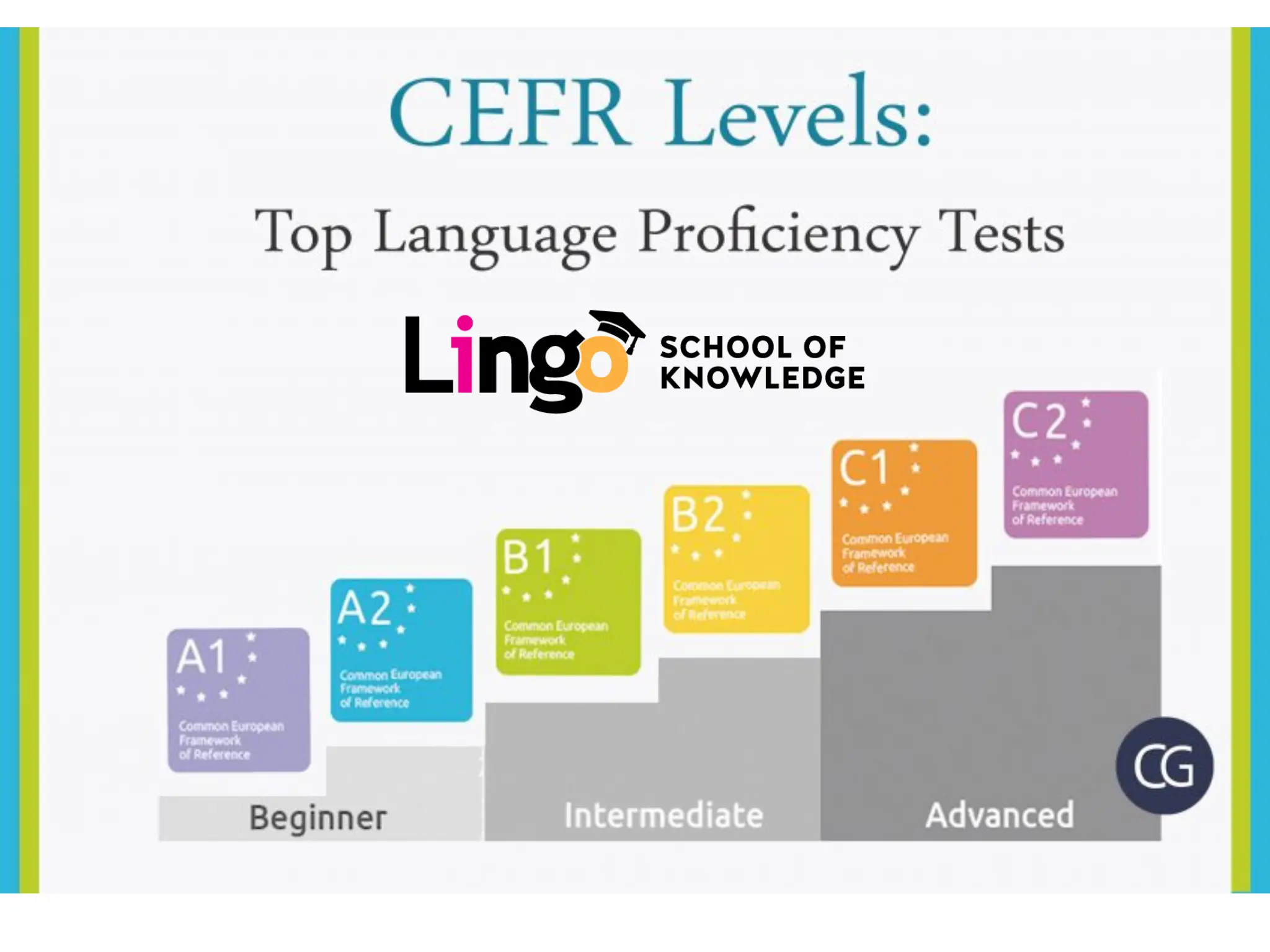
CEFR can be a useful reference when you want to compare broad language ability across speaking, listening, reading and writing. Our guide to CEFR language levels explains what the framework measures—and why it should not be treated as a fixed timetable for learning Thai.
What helps you keep moving?
A curriculum that continues
Ask what comes after the beginner stage. A clear curriculum should build vocabulary, grammar, conversation and literacy instead of jumping between disconnected topics.
This is one of our strengths. At Lingo, we have built our own Thai curriculum, so each level continues from the last and our teachers share a clear learning sequence.
Correction you can use
Useful feedback is specific. You should know whether the issue is a tone, vowel length, sentence pattern or choice of word—and have another chance to try.
Teachers who know your progress
Continuity makes it easier for a teacher to notice recurring mistakes and judge when a class is ready to move on. It also helps learners feel that they are progressing together.
A class you will still attend
It's also important that you enjoy your lessons and feel comfortable in class. Will you get along well with the teacher? That's hard to know without giving it a try. That's why we offer a free, no-obligation trial class at our centre.
Keep learning Thai with Lingo
At Lingo, we have built our Thai programme for learners who want to speak first and keep progressing. Practical conversation, pronunciation and tones lead into script, reading, writing and more advanced use.
We keep group classes to a maximum of eight learners. This gives you more opportunity to speak and gives the teacher room to notice where you need help.
Our experienced Thai teachers plan for continuity. In our student reviews, learners often mention our small classes, supportive teachers and how much they enjoy their lessons.
You do not need to decide today how far you will go. Start by seeing whether the teaching feels right. Check the current free trial and beginner classes on the main Lingo Thai page and meet the teacher before you enrol.